Grammy-nominated saxophonist, educator, and activist José A. Zayas Cabán joins us to connect what’s happening on the streets of the Twin Cities with what happens in our music rooms. He shares firsthand experiences of the recent Twin Cities ICE presence, the trauma and courage in his community, and the economic fallout for immigrant neighbors and local businesses. From there, we dig into the universal pull of Latin jazz and African diasporic rhythms, why students move so naturally to this music, and how K–12 band, choir, orchestra, and general music teachers can use it to teach core concepts, center student stories, and build truly inclusive programs. Along the way, José offers concrete ideas for repertoire, classroom framing, and using music-making as both healing and resistance.
Links:
- Website: joseantonio-zayascaban.com
- Facebook: https://www.facebook.com/YesWayDrJose#
- Instagram: https://www.instagram.com/yeswaydrjose
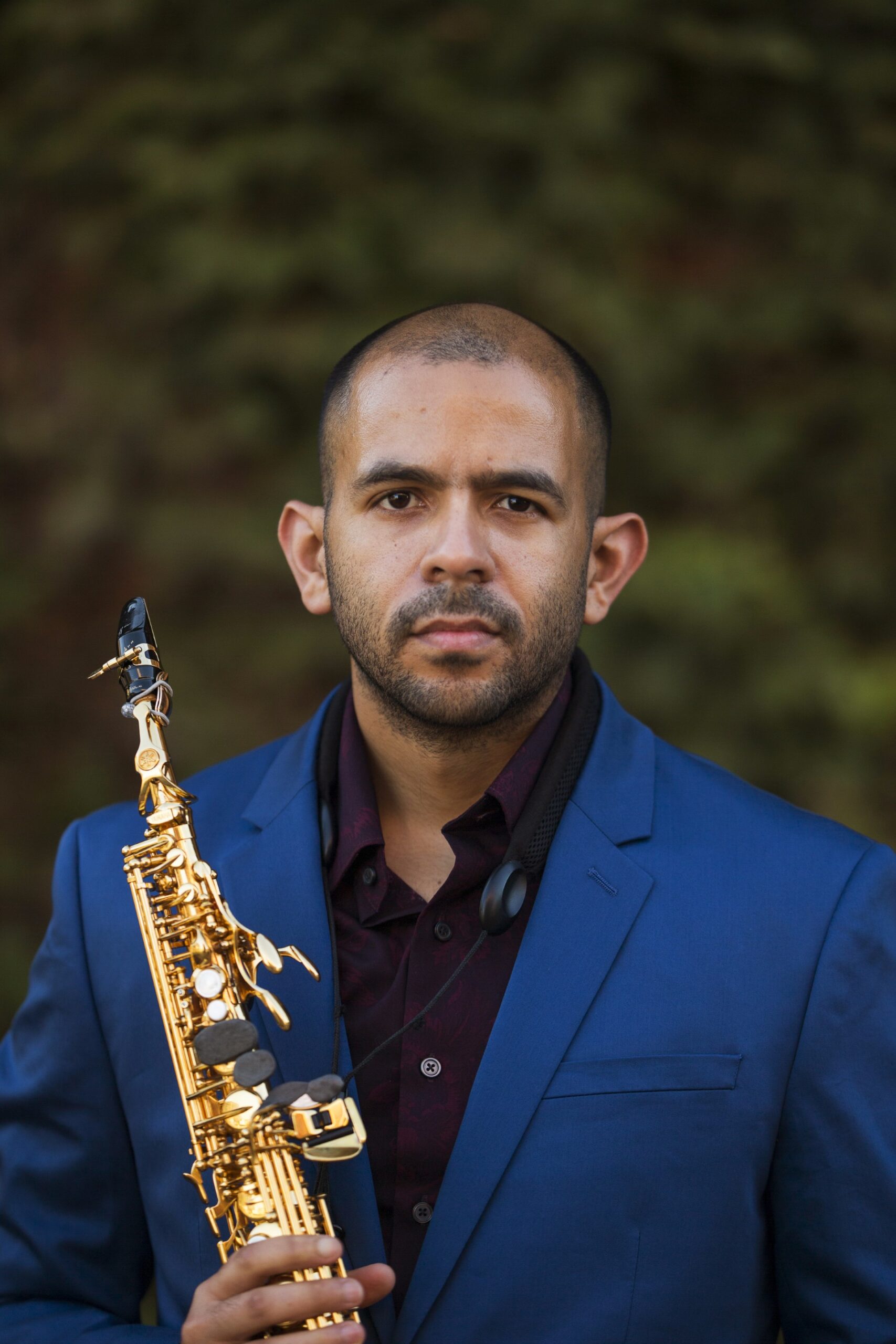
About José Antonio Zayas Cabán
José Antonio Zayas Cabán is a multi-GRAMMY®-nominated saxophonist, McKnight Fellow, and activist whose work bridges music and social justice. Born and raised in Mayagüez, Puerto Rico, he now resides in Minneapolis, where he leads Our Streets as Executive Director.
His artistic projects, including El País Invisible and ROMANCE AL CAMPESINO PORTEÑO, reflect on cultural identity and political narratives, bringing Caribbean and Latin American influences to contemporary chamber music. As a co-founder of the chamber music trio {trés}, he has performed extensively across the United States, Central America, and the Caribbean, commissioning and premiering works that explore themes of heritage and social change.
Zayas Cabán is also on faculty at Laurel School of Music, where he teaches applied saxophone. His work continues to inspire and challenge audiences, fostering a deeper understanding of the intersections between art, identity, and activism.